
The Psychology of Sustainability
Awareness alone does not guarantee change. Achieving sustainability requires altering everyday habits — from energy use and diet to consumption and mobility. Behavioral science provides insights into how people adopt sustainable lifestyles.
Drivers of Behavioral Change
- Information and Education: Knowledge builds motivation but must be paired with actionable steps.
- Social Norms: People are more likely to act sustainably when their peers do.
- Incentives and Nudges: Economic rewards, carbon labeling, or default green options can shift behavior.
- Identity and Values: Connecting sustainability to personal values enhances long-term commitment.
From Individual to Collective Action
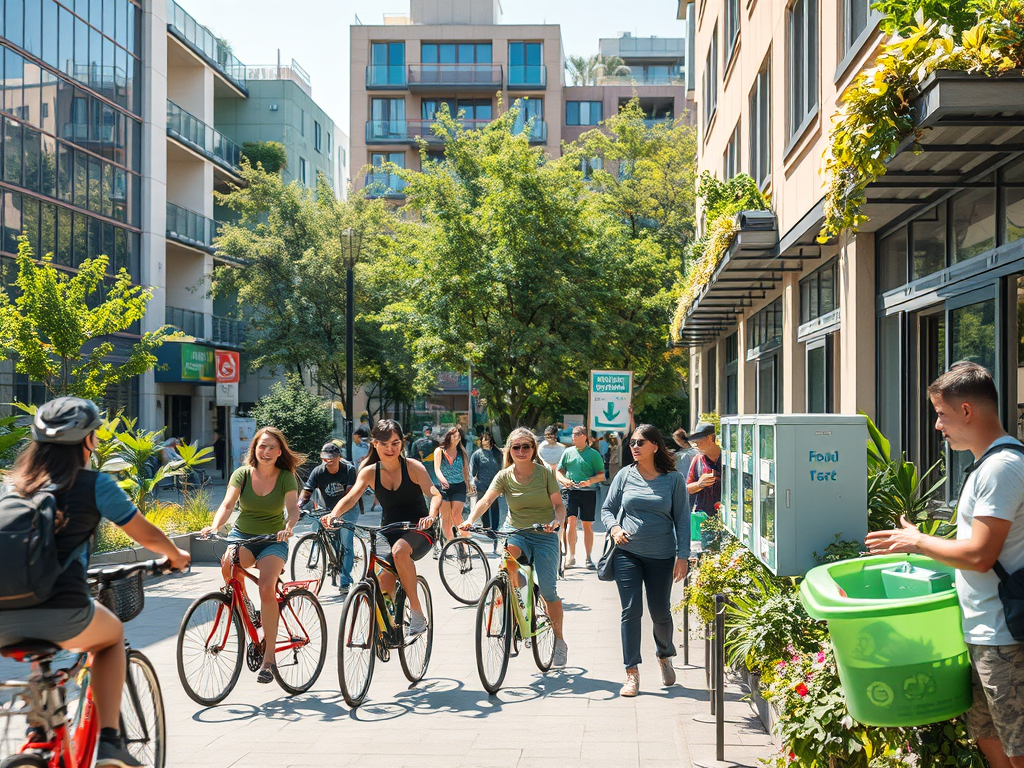
While individual behaviors matter, systemic impact arises when institutions and communities reinforce sustainable choices — for example, through urban design that supports cycling or policies that price carbon fairly.
The Feedback Loop
Behavioral change drives market transformation, which in turn normalizes sustainable living. By embedding sustainability into daily decision-making, societies can move from passive awareness to active stewardship of the planet.

Leave a Reply