
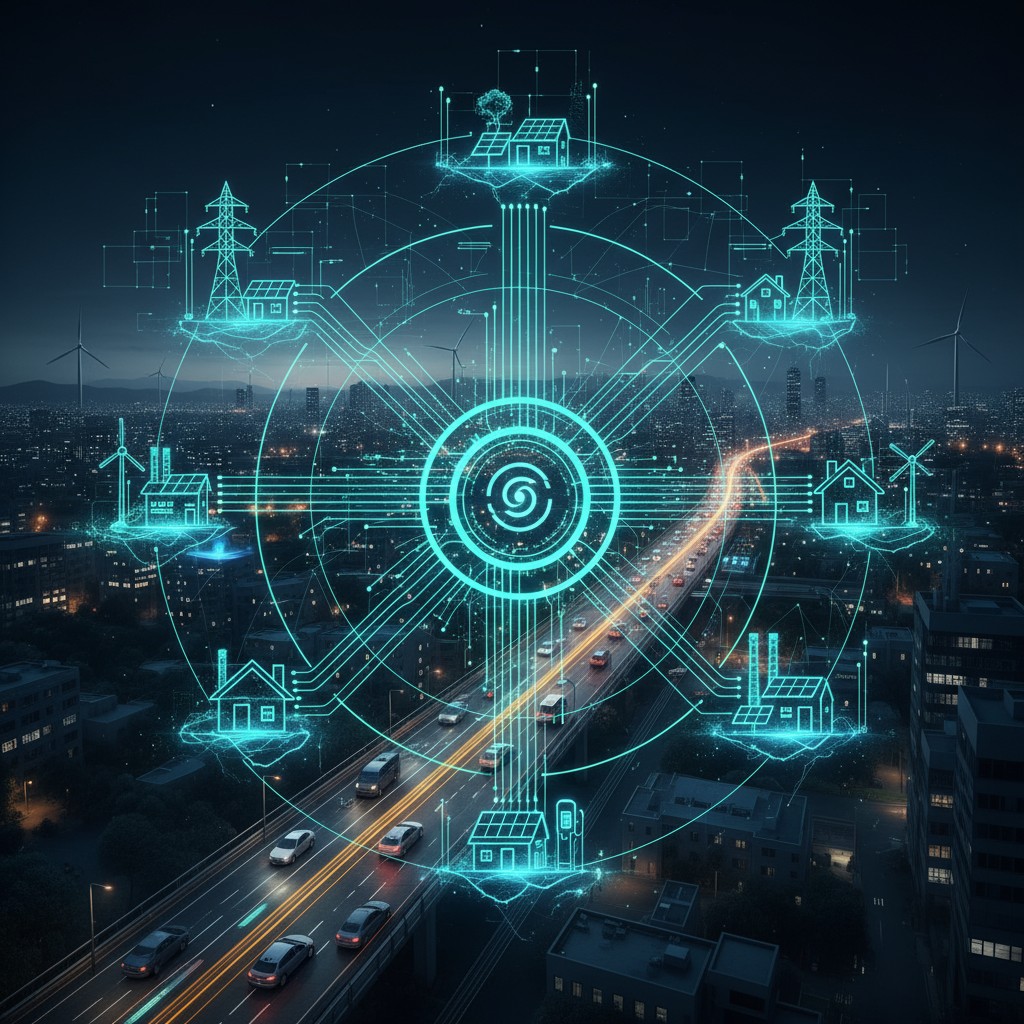
As nations transition toward renewable and decentralized energy systems, the need for smarter, more resilient power infrastructure has never been greater. Traditional grids, designed for one-way energy flow from centralized power plants to consumers, are no longer sufficient.
Enter the Smart Power Grid — an intelligent, adaptive, and data-driven network that integrates renewable energy sources, storage systems, and real-time communication technologies to deliver efficient, reliable, and sustainable power.
At Green Growths, we explore how smart grids are revolutionizing the way electricity is generated, distributed, and consumed — forming the cornerstone of modern energy transformation.
1. What Makes a Power Grid “Smart”?
A smart grid combines information and communication technologies (ICT) with traditional electrical systems to enable real-time monitoring, automation, and two-way energy flow.
Key features include:
-
Smart meters that record consumption patterns and enable dynamic pricing.
-
Sensors and IoT devices that provide continuous feedback on grid conditions.
-
Advanced analytics and AI that predict demand, detect faults, and optimize performance.
-
Bidirectional communication allowing consumers to become prosumers — generating and selling excess renewable energy back to the grid.
These components transform the grid into an interactive, self-regulating ecosystem capable of adapting to changing loads and renewable generation variability.
2. Integrating Renewable Energy
One of the biggest challenges in renewable energy deployment is intermittency — solar and wind output fluctuate with weather conditions. Smart grids address this through:
-
Real-time energy balancing across distributed sources.
-
Energy storage integration (e.g., lithium-ion batteries, pumped hydro, hydrogen).
-
Demand-side management, where consumption patterns are adjusted dynamically to match generation.
The result is a more stable, flexible, and efficient energy network that can accommodate a high share of renewables without compromising reliability.
3. Data, Automation, and Artificial Intelligence
Smart grids leverage big data and AI to make predictive and automated decisions. For instance:
-
AI algorithms can forecast load demand or predict equipment failures before they occur.
-
Automated control systems can reroute power to prevent blackouts or overloads.
-
Machine learning models continuously optimize grid performance based on real-time conditions.
This level of intelligence transforms the power grid from a static infrastructure into a dynamic cyber-physical system.
4. Benefits for Consumers and Communities
Smart grids empower consumers to participate actively in the energy market:
-
Real-time insights into energy use encourage efficiency and conservation.
-
Dynamic pricing rewards off-peak consumption and renewable generation.
-
Microgrids and community energy systems enhance local energy resilience, particularly during grid disruptions.
Ultimately, smart grids democratize energy — turning consumers into collaborators in the sustainable energy ecosystem.
5. Challenges and the Path Forward
Despite their promise, smart grids face challenges including cybersecurity risks, high infrastructure costs, and interoperability among technologies. Addressing these requires robust regulatory frameworks, cross-sector collaboration, and investment in digital infrastructure.
The future will likely see fully integrated energy ecosystems, where electric vehicles, distributed generation, and smart homes operate seamlessly under AI-optimized control systems.
The Green Growths Vision
At Green Growths, we are committed to advancing understanding of smart power systems, renewable integration, and sustainable energy technologies. Through our educational resources and expert-led insights, learners can explore how smart grids are redefining the energy paradigm — one intelligent connection at a time.
Powering Intelligence for a Greener World
Smart power grids are not just an upgrade — they are a transformation of how we produce, deliver, and use electricity.
By merging engineering, data science, and sustainability, smart grids illuminate the path toward a cleaner, more resilient, and equitable energy future.
Leave a Reply